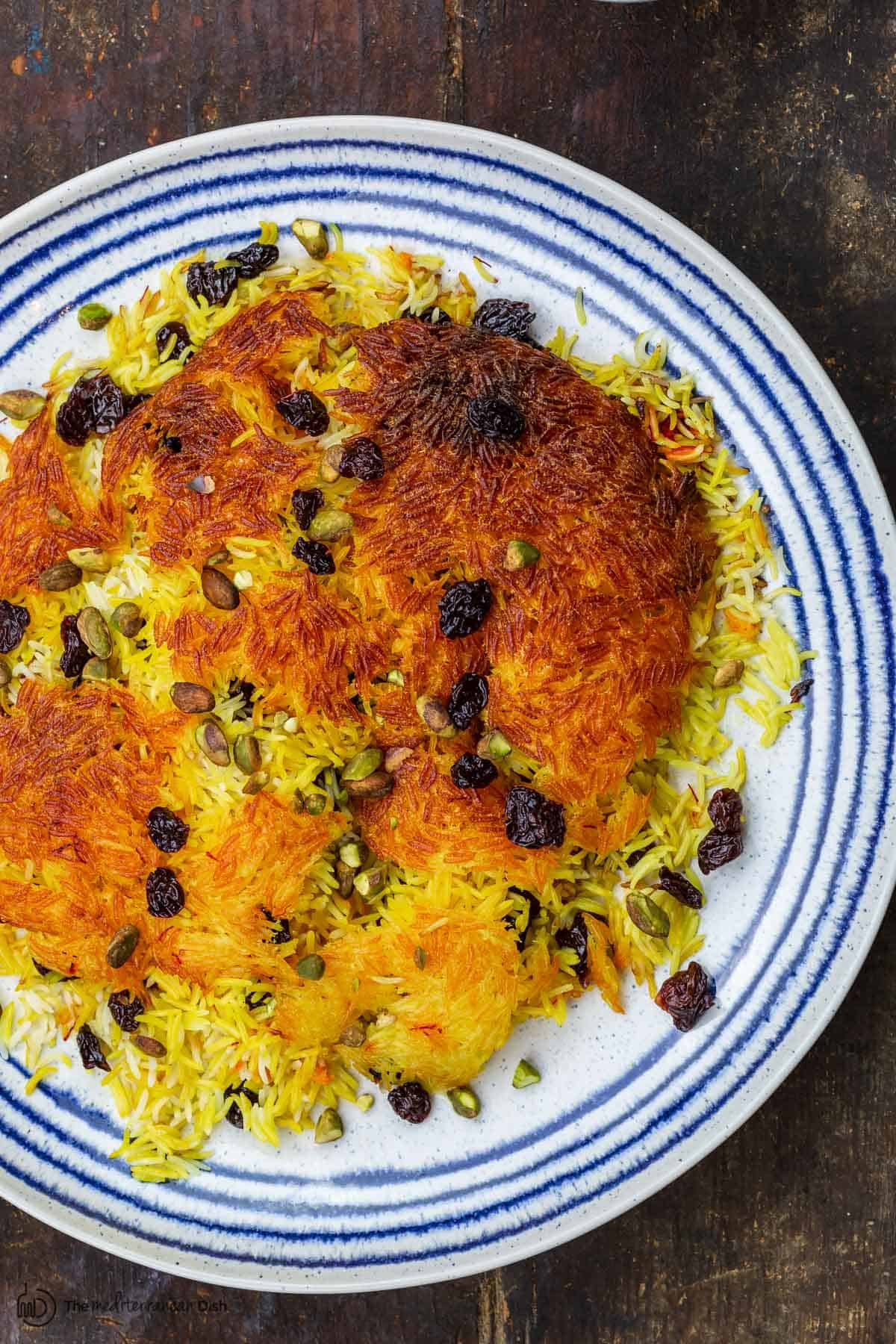
Secrets to Crispy Tahdig: Saffron, Yogurt, and the Perfect Crust
There are culinary delights, and then there are culinary obsessions. For anyone who has experienced the magic of Persian cuisine, there's one dish that consistently transcends mere enjoyment to become a passionate pursuit: Tahdig. Often referred to as the "jewel" or "holy grail" of Persian cooking, this exquisite
persian crispy rice is more than just a side dish; it's the highly coveted, deeply caramelized, golden crust formed at the bottom of the rice pot. Its allure lies in its captivating texture – a symphony of crunch and tenderness that has families (and even guests) vying for the last, precious piece.
This article delves into the heart of creating that perfect, unforgettable Tahdig, focusing on the classic combination of saffron, yogurt, and the precise technique that yields its signature, irresistible crispness. If you've ever dreamt of mastering the art of the perfect
persian crispy rice, read on, as we unlock the secrets to achieving a truly magnificent crust every single time.
Unearthing the Golden Core: What is Tahdig?
The word "Tahdig" itself offers a clue to its essence: "tah" meaning bottom, and "dig" meaning pot. Literally, it's the bottom of the pot. But in the culinary world, it refers specifically to the scorched, crispy layer of rice (or sometimes bread, potatoes, or even meat) that forms at the base of the cooking vessel. This unique method, central to Iranian culinary tradition, perfectly marries two distinct cooking processes in one pan: direct heat to create that glorious crust, and gentle steaming to ensure the remaining rice above is fluffy and tender.
While many cultures appreciate crispy bits of food, Persian cuisine has elevated this preference into an art form with Tahdig. It's not just an accidental byproduct; it's the intentional, celebrated star. This dedication makes Tahdig a truly exceptional dish, often sparking friendly competition among home cooks to see who can produce the most beautiful, evenly golden, and outrageously crispy Tahdig. It's a dish that commands attention, disappearing from the dinner table in mere seconds. For a deeper dive into its cultural significance and history, you might find
Tahdig: Unearthing Persian Cuisine's Golden Crispy Rice Jewel an enlightening read.
The Essential Ingredients for Unforgettable Persian Crispy Rice
While the magic of Tahdig is largely in its cooking method, the right ingredients lay a crucial foundation. For the classic saffron and yogurt Tahdig, you’ll need a handful of key components, each playing a vital role in achieving that perfect, deeply flavored, and marvelously crispy outcome.
*
Basmati Rice: The Foundation of Fluffiness and Crispness
Traditional and highly recommended for Tahdig is long-grain Basmati rice. Its slender grains cook up separate and fluffy, which is crucial for both the delicate texture of the steamed rice and the distinct crispness of the bottom layer. The separation allows for maximum surface area to crisp up without becoming a solid, unyielding block. While other long-grain white rices can work, Basmati truly delivers the best results.
*
Saffron: The Golden Elixir of Color and Aroma
Often called "red gold," saffron is arguably the most important flavor and color component in classic Tahdig. Its delicate floral aroma and vibrant golden hue are unmistakable. While expensive, a little goes a long way, and its unique contribution is truly irreplaceable.
*
Expert Tip: Blooming Saffron To extract the most color and flavor, "bloom" your saffron threads. Gently grind a small pinch of saffron threads with a mortar and pestle into a fine powder. Add a few tablespoons of hot water (or even an ice cube, which helps shock the threads) and let it steep for at least 10-15 minutes. This creates a potent saffron "tea" that will infuse your rice with gorgeous color and fragrance. Resist the temptation to use cheaper substitutes like turmeric; while they offer color, they lack saffron's distinct aroma.
*
Yogurt: The Secret to the Ultimate Crisp
Plain, natural, or Greek yogurt is a cornerstone of this style of Tahdig. It's not just for flavor; yogurt significantly contributes to the browning and crisping of the rice. The sugars and proteins in the yogurt caramelize beautifully, yielding a deep golden color and an unparalleled crunch. Full-fat yogurt is generally preferred for its richness and superior browning capabilities, but a lower-fat version can also work. For those looking for a dairy-free alternative, some recipes suggest full-fat milk, though many attest that yogurt delivers the crispiest results.
*
Egg Yolk: The Binder and Browning Agent
Often combined with the yogurt and saffron mixture, the egg yolk acts as a binder, helping the rice grains adhere to each other to form a cohesive crust. More importantly, it contributes to the deep, rich golden color and adds a subtle richness to the Tahdig. Only the yolk is needed; the whites can be saved for other culinary endeavors.
*
Oil and Butter: The Foundation of Flavor and Release
A neutral cooking oil (like vegetable or canola) is essential for preventing sticking and promoting even browning. Many cooks prefer a combination of oil and butter for added flavor. Clarified butter (ghee) is an excellent choice as it has a higher smoke point than regular butter, making it less likely to burn during the longer cooking process. This fatty base is crucial for creating that delicious, buttery, golden layer.
*
Salt: Balancing the Flavors
Don't forget the salt! It's essential for seasoning both the par-cooked rice and the Tahdig mixture, ensuring a balanced and flavorful end product.
Crafting the Perfect Crispy Crust: The Tahdig Technique
Mastering Tahdig requires patience and attention to detail, but the process itself is surprisingly straightforward. The key lies in understanding the stages and allowing the ingredients to work their magic. For more comprehensive step-by-step guidance, you can refer to
Mastering Tahdig: Your Guide to Perfect Persian Crispy Rice.
1.
Par-cooking the Basmati Rice: The journey to perfect
persian crispy rice begins with par-boiling. Rinse your Basmati rice thoroughly until the water runs clear. Then, cook it in a generous amount of salted boiling water until it's al dente – tender on the outside but still firm in the center. This usually takes 5-7 minutes. Drain immediately. This step is vital; it ensures individual, fluffy grains for the top layer and prepares the rice for maximum crisping on the bottom.
2.
Preparing the Tahdig Base Mixture: In a bowl, combine your bloomed saffron, yogurt, egg yolk, and a pinch of salt. Mix well. Then, gently fold in about 2-3 cups of the par-cooked rice, ensuring each grain is lightly coated. This is the mixture that will form your glorious crust.
3.
Layering in the Pot: Choose a heavy-bottomed, non-stick pot – this is crucial for a successful Tahdig. Heat your oil (and butter/ghee) over medium-high heat. Once shimmering, spread the saffron-yogurt-rice mixture evenly across the bottom of the pot. Press it down gently with the back of a spoon to create an even layer. This initial layer is your Tahdig, so make sure it's spread consistently.
4.
Building the Steamed Rice Layer: Carefully spoon the remaining plain par-cooked rice on top of the Tahdig layer, mounding it into a pyramid shape. This allows for better steam circulation and ensures even cooking of the top rice. Use the handle of a wooden spoon to create a few holes (but not through the Tahdig layer) in the mound, which also helps with steaming.
5.
The Crucial Cook: Heat Management is Key: Cover the pot with a clean kitchen towel (or paper towels) wrapped around the lid to absorb steam, then place the lid firmly on top. Cook over medium-high heat for about 5-10 minutes. You should hear a gentle sizzling sound – this is your crust forming! After this initial burst, reduce the heat to low, ensuring the pot continues to gently steam. Let it cook undisturbed for at least 45 minutes to an hour, or even up to 75 minutes for an extra-crispy crust. Resist the urge to peek! The slow, consistent heat is what caramelizes the bottom layer to perfection while the top steams.
6.
The Grand Reveal: Once cooked, remove the pot from the heat and let it rest for 5-10 minutes. This allows the steam to redistribute and helps the Tahdig release from the pot cleanly. To serve, carefully place a large serving plate over the pot and, with a swift and confident motion, invert the pot. The Tahdig should slide out, revealing a beautiful, intact, golden-brown crust on top of the fluffy steamed rice.
Serving Your Golden Creation
Tahdig is a versatile dish. While it shines as a standalone marvel, it traditionally accompanies stews (khoresh), grilled meats (kabob), or simply fresh herbs and yogurt. To elevate your
persian crispy rice further, consider garnishing with:
*
Sautéed Barberries (Zereshk): Tart and vibrant, often sautéed in a little butter and sugar.
*
Pistachios: Chopped for color and crunch.
*
Extra Saffron Drizzle: A final touch of bloomed saffron mixed with a tiny bit of melted butter.
Conclusion
The journey to crafting the perfect Tahdig is a rewarding one, culminating in a dish that is both a culinary feat and a feast for the senses. From the fragrant whispers of saffron to the creamy richness of yogurt and the unparalleled crunch of that golden crust, every element contributes to an experience that is deeply satisfying and quintessentially Persian. It’s more than just crispy rice; it’s a testament to patient cooking, bold flavors, and the joy of sharing a truly special meal. So, gather your ingredients, follow these steps, and prepare to unveil your own magnificent Tahdig – the jewel of Persian cuisine, ready to be admired, shared, and savored.